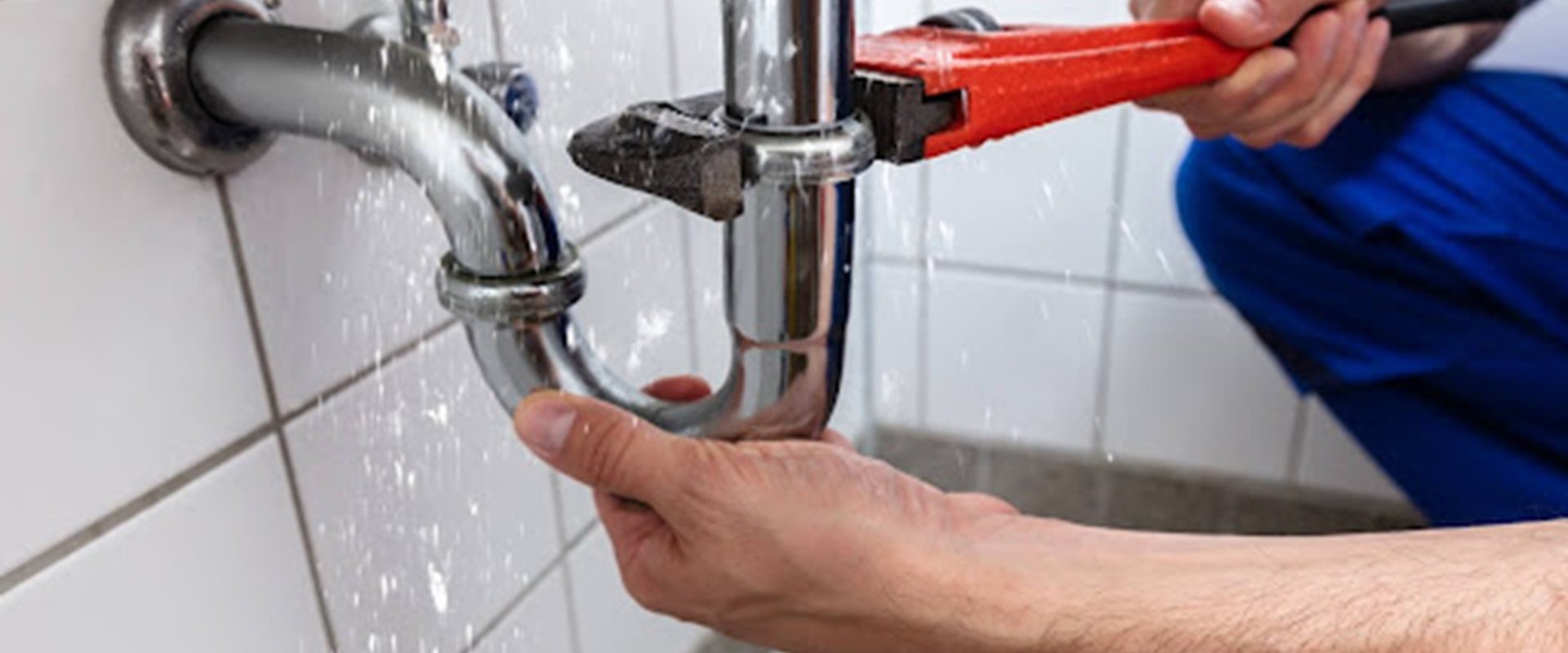
A damp patch on the wall does not always mean that your property needs damp proofing. Moisture may be caused by condensation, rising damp, rain entering through the building or a concealed plumbing leak.
Although these problems can produce similar symptoms, they require very different repairs. Installing a new damp-proof course will not stop a leaking pipe, while repainting a mouldy wall will not resolve poor ventilation.
The first step is therefore to identify the real source of the moisture before repairing the damaged plaster and decorations.
Condensation occurs when warm, moisture-filled air meets a colder surface. Water vapour then turns into droplets on windows, walls, tiles and other materials.
It is particularly common in bathrooms, kitchens and bedrooms, where everyday activities such as cooking, showering and drying clothes create moisture.
Typical signs of condensation include:
Condensation is often caused or worsened by inadequate ventilation, cold walls and insufficient heating. Improving extractor fans, opening vents and maintaining a more consistent indoor temperature may help, although persistent problems should be assessed professionally.
Clarkes provides ventilation services designed to improve airflow and reduce condensation, residue and mould within homes and commercial properties.
Rising damp occurs when moisture from the ground travels upwards through porous brickwork and mortar. It is commonly associated with a missing, damaged or ineffective damp-proof course.
Unlike condensation, rising damp normally begins at the bottom of a ground-floor wall.
Possible signs include:
The height and appearance can vary, so these symptoms should not be treated as proof on their own.
A professional damp survey can examine moisture patterns, wall construction and possible alternative causes before any treatment is recommended. Clarkes’ damp inspections cover rising damp, penetrating damp, condensation and hidden moisture problems, intending to treat the source rather than simply the visible symptoms.
Penetrating damp is caused by water moving through a wall, roof or other part of the building from outside.
It may appear after prolonged rainfall or become noticeably worse during storms. Unlike rising damp, it can affect walls at any height.
Common external causes include:
Penetrating damp often creates an isolated patch that corresponds with an external defect. A stain high on a bedroom wall, for example, may originate from damaged guttering or roof tiles rather than a problem within the wall itself.
Clarkes’ roofing team repairs leaks, pitched and flat roofs, tiles, slates, chimneys and defective guttering. Its initial aim during a roof-leak visit is to prevent additional water damage before assessing the underlying cause.
A concealed plumbing leak can be particularly difficult to identify because the faulty pipe may be located behind a wall, beneath a floor or above a ceiling.
Possible signs of a hidden water leak include:
A leaking bath seal, shower tray, toilet connection or central-heating pipe may create damage in a different room or on the floor below. Water can travel along joists and pipework before becoming visible, so the damp patch may not be directly beneath the source.
Clarkes offers leak investigations, repairs to leaking fixtures and the repair or replacement of damaged pipework for domestic and commercial properties. The company can also provide an end-to-end service, including plastering and decorating after the leak has been repaired.
Yes. Roofing and rainwater systems are among the most common external causes of damp walls.
A blocked gutter can overflow during heavy rain, repeatedly saturating the masonry below. A cracked or disconnected downpipe may direct water against the wall instead of carrying it safely into the drainage system.
Roof leaks can also remain hidden for some time. Water may enter through damaged tiles or flashing, soak insulation and timber, and eventually appear as a ceiling stain or damp patch several metres away.
Signs that suggest a roofing or gutter defect include:
Prompt repairs can prevent damage spreading into roof timbers, plasterboard and interior finishes.
Painting over a damp patch may improve its appearance temporarily, but it does not remove the moisture source.
If the wall is still wet, the new finish may soon:
Stain-blocking paint can be useful after the cause has been repaired and the surface has dried properly. It should not be used as a substitute for diagnosing a leak or damp defect.
Moisture-damaged plaster may also contain salts or lose its strength. In these cases, the affected material may need to be removed before the wall is replastered and redecorated.
Clarkes provides plasterboard installation, patch repairs, blown-plaster removal, bonding, skimming and preparation for final decoration.
| Symptom | Possible cause |
| Black mould around windows and cold corners | Condensation |
| Water droplets on glazing | Condensation |
| Tide marks beginning at floor level | Rising damp |
| White salts and damaged skirting | Rising damp |
| Damp patch that worsens after rain | Penetrating damp |
| Upper-wall or ceiling staining | Roof or gutter defect |
| One persistent patch near plumbing | Hidden leak |
| Boiler pressure repeatedly falling | Possible heating-system leak |
| Damp beneath a bathroom | Leaking bath, shower, toilet or pipe |
| Mould behind furniture | Condensation and poor airflow |
This table should only be used as an initial guide. Properties can suffer from more than one moisture problem at the same time.
For example, a leaking gutter may saturate an external wall while poor ventilation causes condensation on its colder internal surface.
Consider arranging a damp survey in London when:
The survey should examine both the symptoms and the wider property. This may include external walls, gutters, roofing, plumbing, ventilation and the position of the damp-proof course.
Accurate diagnosis can prevent unnecessary treatment and ensure the repair addresses the actual problem.
Once the source has been found, the repair may involve:
Completing these stages in the correct order is essential. Decorating should be one of the final steps, not the first.
Clarkes 24/7 can manage the full chain of work because its services include damp diagnosis and treatment, emergency plumbing, roof repairs, plastering and painting and decorating. The company works across London and surrounding areas, providing both planned property maintenance and responsive repairs.
Condensation, rising damp, penetrating water and plumbing leaks can look similar from inside a property. Treating the wrong problem wastes money and allows the underlying damage to continue.
Contact Clarkes 24/7 to arrange a professional damp inspection or report a suspected leak. Its experienced team can identify the source, complete the necessary plumbing, roofing or damp-proofing work and restore damaged plaster and decorations once the property is dry.